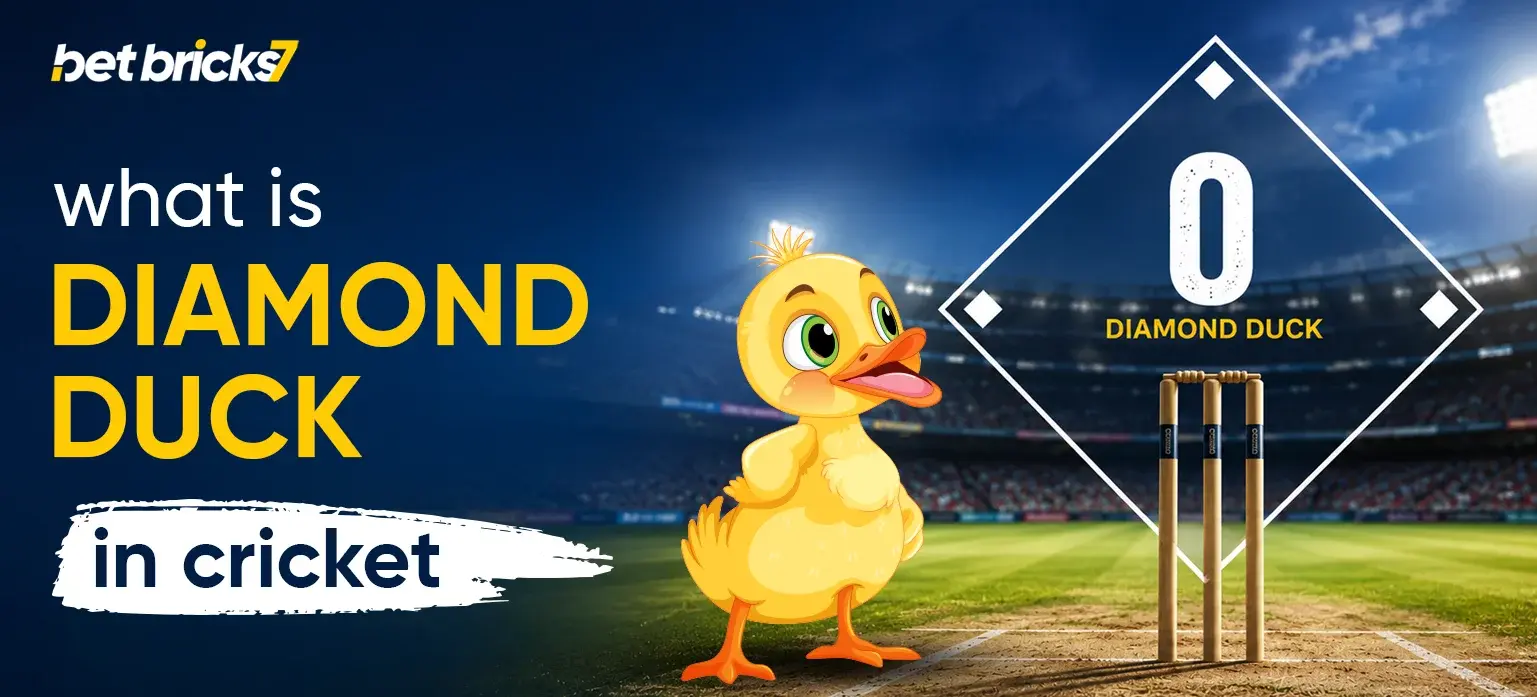
What is Diamond Duck in Cricket: Cricket has several terms that describe how a batter gets out. Few are as uncommon as the diamond duck. This dismissal happens in unusual circumstances and often creates confusion among fans reading a scorecard. Understanding these cricket terms helps you interpret match statistics correctly and follow commentary with greater clarity. According to the official cricket records maintained by the International Cricket Council (ICC) and ESPNcricinfo Statsguru, run-outs remain one of the least frequent forms of dismissal in international cricket, making diamond ducks comparatively rare. This guide explains what a diamond duck is, why it happens, and why it matters in cricket statistics.
Understanding What is Diamond Duck in Cricket
A diamond duck is one of the rarest dismissals recorded in cricket scorebooks. Unlike most ducks, the batter is dismissed before facing a legal delivery. This makes it a unique statistical event that analysts often highlight during match reviews.
Here’s what defines a diamond duck:
- The batter scores zero runs.
- The batter faces zero balls.
- Dismissal usually occurs through a run-out.
- The batter never faces a delivery.
Cricket records track runs and balls faced separately. A batter can therefore be dismissed without registering a ball faced. That specific combination creates a diamond duck. Also, understanding this concept helps explain unusual scorecards and rare match situations.
Types of Ducks in Cricket
Cricket has different types of ducks based on how many balls a batter faces. These terms help statisticians and commentators describe batting records more accurately.
| Type of Duck | Runs Scored | Balls Faced | Description |
| Regular Duck | 0 | 1 or more | Dismissed without scoring |
| Golden Duck | 0 | 1 | Out on first ball faced |
| Silver Duck | 0 | 2 | Out on second ball faced |
| Bronze Duck | 0 | 3 | Out on third ball faced |
| Diamond Duck | 0 | 0 | Dismissed without facing a ball |
The table shows why a diamond duck stands apart from every other type. The batter never receives an opportunity to face a delivery, which makes the dismissal statistically unusual.
How a Diamond Duck Happens
A diamond duck can occur in several match situations. Most involve running between the wickets rather than a batting mistake. These dismissals often happen quickly and leave little time for correction.
1. Run Out During a Quick Single
A new batter may arrive at the crease during a high-pressure stage of the match. The fielding side often looks for immediate run-out opportunities in these situations. A small hesitation can lead to a dismissal before the batter settles.
Here’s one common scenario:
- The striker hits the ball into the field.
- A run is called immediately.
- The new batter attempts the run.
- A direct hit or fast throw completes the run out.
This type of dismissal usually results from poor communication rather than poor batting. The player may not even touch the bat to the ball during the entire innings. Because no delivery is faced, the scorebook records a diamond duck.
2. Run Out at the Non-Striker’s End
The non-striker must remain alert before every delivery as small movements outside the crease can create opportunities for the fielding side. Modern cricket places greater attention on these situations than ever before.
The dismissal can happen when:
- Batter leaves the crease early.
- The bowler notices the movement.
- The stumps are broken before the ball is delivered.
Although the laws allow this dismissal, it remains relatively uncommon. Teams often discuss crease awareness during training sessions. Good discipline at the non-striker’s end reduces the risk significantly.
3. Miscommunication Between Batters
Partnership batting relies heavily on communication. One unclear call can create confusion within seconds. This becomes even more risky during limited-overs cricket where quick runs are important.
The problem often develops through:
- Conflicting calls.
- Delayed responses.
- Uncertainty about field placement.
- Last-second changes of decision.
These mistakes can occur even among experienced players. Pressure often affects decision-making during close matches. Many diamond ducks recorded in professional cricket have resulted from communication breakdowns rather than technical errors.
Why a Diamond Duck in Cricket Matters
Cricket analysis goes beyond runs and wickets. Analysts also study how dismissals happen and what they reveal about team performance and a diamond duck often points to issues that standard batting statistics cannot show.
Key areas analysts examine include:
- Running decisions.
- Communication quality.
- Match awareness.
- Fielding pressure.
- Partnership coordination.
These factors can influence the outcome of close matches. A single run-out may shift momentum completely. Understanding What is Diamond duck in cricket therefore provides deeper insight into player performance on Betbricks7.
Difference Between a Diamond Duck and a Golden Duck
Many fans confuse these two terms because both result in zero runs. The difference lies in whether the batter faces a delivery before dismissal.
| Factor | Diamond Duck | Golden Duck |
| Runs Scored | 0 | 0 |
| Balls Faced | 0 | 1 |
| Opportunity to Bat | No | Yes |
| Common Dismissal Type | Run Out | Any dismissal |
| Statistical Category | Rare | Relatively common |
The distinction matters because cricket records treat balls faced as an important batting statistic. A golden duck shows the batter received a chance. A diamond duck shows that chance never arrived.
Impact on Batting Statistics
Every dismissal affects a player’s statistical profile. Diamond ducks may be rare. But they still appear in official records. This makes them relevant for analysts and historians alike.
1. Batting Average
Batting average remains one of cricket’s most important measurements. Every dismissal contributes to that calculation. Even rare dismissals carry statistical weight.
Here’s how the impact appears:
- Zero runs are added.
- One dismissal is recorded.
- Career averages can decrease.
The effect may be small for established players. However, it can influence short-term records significantly. Young players often feel this impact more strongly due to smaller sample sizes.
2. Career Records
Player records track every innings played. Statistical databases do not separate diamond ducks from other zero scores when calculating totals. The dismissal therefore becomes part of the permanent record.
The official record includes:
- Innings played.
- Dismissals.
- Ducks scored.
- Batting milestones.
This information helps analysts compare careers across eras. Historical accuracy remains important when evaluating player achievements.
3. Match Reports and Analysis
Modern cricket reporting includes detailed statistical breakdowns. Rare dismissals often attract additional attention because they provide useful context. Analysts frequently discuss these incidents during post-match reviews.
The reporting process usually highlights:
- Match situation.
- Fielding involvement.
- Running decisions.
- Turning points.
This analysis helps explain how momentum shifted during the game. It also provides lessons for teams preparing for future matches.
The Psychological Effect on Players
A diamond duck can affect a player beyond the scorecard. Batters often spend time preparing mentally before entering the crease. Being dismissed immediately removes the opportunity to contribute.
1. Loss of Opportunity
Players want a chance to influence the match. A dismissal without facing a ball can feel particularly frustrating. The player may believe they never had a fair opportunity.
The feeling often comes from:
- Lack of batting time.
- Sudden dismissal.
- Missed contribution.
- Team expectations.
Professional players usually recover quickly. However, the disappointment can remain for the rest of the match. Mental resilience plays a major role here.
2. Pressure During Future Innings
Unusual dismissals sometimes stay in a player’s mind. This can affect decision-making during later matches. Coaches often address these situations through review sessions.
Common concerns include:
- Running confidence.
- Communication trust.
- Match awareness.
- Risk assessment.
Most players overcome these concerns through preparation. Repetition and practice help rebuild confidence.
3. Team Dynamics
Batting partnerships depend on trust. A run-out dismissal can temporarily affect communication between teammates. Teams therefore examine these incidents carefully.
Areas commonly reviewed include:
- Calling methods.
- Leadership roles.
- Running patterns.
- Situational awareness.
Strong teams use these reviews as learning opportunities. The goal is to prevent similar mistakes in future matches.
What Commentators Look For
Commentators analyse more than the dismissal itself. They examine the decisions that led to it. Their goal is to explain the event clearly to viewers.
1. Communication
Clear communication usually prevents avoidable run-outs. Commentators often replay the incident to identify where confusion began.
Key factors include:
- Verbal calls.
- Hand signals.
- Immediate responses.
These details often reveal the root cause of the dismissal. They also help viewers understand responsibility.
2. Awareness
Match awareness plays a major role in running between wickets. Players must react quickly to field placements and game situations.
Analysts usually assess:
- Field positioning.
- Batter movement.
- Throwing angles.
Small details can determine whether a run succeeds or fails. That is why awareness receives so much attention.
3. Decision-Making
Fast decisions are necessary in competitive cricket. Good judgment often separates successful runs from costly mistakes.
Reviewers commonly examine:
- Timing of the call.
- Level of risk.
- Match context.
These factors help explain whether the attempted run was justified. They also provide useful coaching points.
Common Myths About Diamond Ducks
Several misconceptions exist around this dismissal. Understanding the facts helps avoid confusion.
1. Only New Players Get Diamond Ducks
Many people assume inexperienced batters are responsible for these dismissals. Professional cricket records show otherwise.
The reality is:
- International stars have suffered them.
- Domestic veterans have suffered them.
- Experience does not eliminate risk.
Pressure affects every player. Even elite professionals can make running errors.
2. A Diamond Duck Equals a Golden Duck
The terms sound similar, but they are different statistical categories. Cricket scoring rules clearly separate them.
The distinction involves:
- Balls faced.
- Method of dismissal.
- Statistical classification.
This difference remains important in official records. Analysts always treat them separately.
3. Diamond Ducks Are Common in T20 Cricket
Fast scoring creates more run-out chances. However, that does not mean diamond ducks occur frequently.
The facts show:
- Most dismissals are not run-outs.
- Many run-outs happen after facing deliveries.
- Diamond ducks remain uncommon.
Their rarity is one reason commentators often mention them during broadcasts.
Conclusion
Understanding What is Diamond duck in cricket helps you interpret scorecards, and player statistics more accurately. Unlike other ducks, a diamond duck occurs when a batter is dismissed without facing a ball. It is usually linked to run-outs, or split-second decisions between batters. While rare, it can affect batting records, and match outcomes. Cricket analysts study these dismissals because they reveal key mistakes. Betbricks7 frequently tracks these unusual events because they add valuable context to a player’s performance.
FAQs
1. What is Diamond duck in cricket and why is it rare?
A diamond duck occurs when a batter is dismissed for zero without facing a single ball. It is rare because it usually requires a run-out before the batter receives a delivery. Also, most batters face at least one ball before getting out, which makes this dismissal uncommon.
2. Can a batter get a diamond duck in Test cricket?
Yes. A diamond duck can occur in any official cricket format, including Tests, and domestic matches. The Laws of Cricket apply the same scoring rules across all recognised formats.
3. Does a diamond duck count as a duck in official records?
Yes. It is recorded as a duck because the batter scores zero runs, even though no ball is faced. Also, statisticians include diamond ducks in a player’s overall duck count.
4. Who is responsible when a diamond duck happens?
Responsibility depends on the situation. The dismissed batter, or even exceptional fielding can contribute to the run-out and match officials review the sequence of events before recording the dismissal in the scorebook.